
“Cung cấp giải pháp kỹ thuật tốt nhất cho ngành Nước & Môi Trường”


DANH MỤC SẢN PHẨM
XỬ LÝ NƯỚC CẤP _ ABV PROJECT BRAZIL _ 170.000m3/ngày
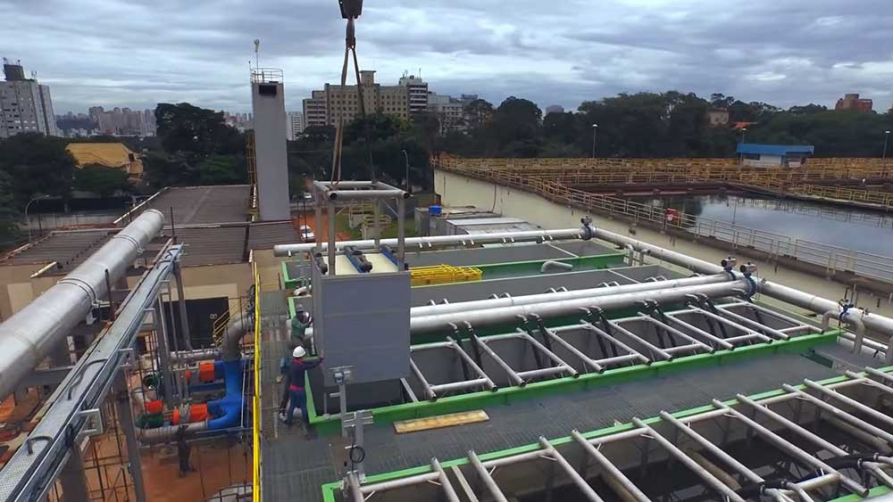
XỬ LÝ NƯỚC CẤP TỪ NƯỚC SÔNG _ 170.000m3/ngày
Alto da Boa Vista (ABV) drinking water plant in São Paulo, Brazil.
| Chủ Đầu Tư | : |
| Địa điểm dự án | : Sao Paulo _ Brazil |
| Công suất | : Q = 170.0000 m3/ngàyđêm. |
| Công nghệ áp dụng | : Công nghệ Màng KOCH PURON HF |
| Nguồn gốc | : Xử lý nước cấp sinh hoạt từ nước sông |
| Năm thực hiện | : 2015 |

Koch Membrane Systems PURON® HF Selected for Drinking Water Plant Expansion in São Paulo, Brazil
Published Date: March 12, 2015
Wilmington, Massachusetts (February, 2015) – Koch Membrane Systems, Inc. (KMS), world-class developer and manufacturer of innovative membranes and membrane filtration systems, announced today that is has been selected to provide its PURON® HF (High Flow) reinforced hollow fiber ultrafiltration system for the expansion of the Alto da Boa Vista (ABV) drinking water plant in São Paulo, Brazil.
ABV is an existing drinking water treatment plant called “ETA Eng. Rodolfo José da Costa e Silva” located in the Alto da Boa Vista neighborhood of São Paulo. The plant produces drinking water using conventional technology (coagulation, flocculation, sedimentation, sand filtration and chlorine disinfection) for a population of more than five million people in the metropolitan area of São Paulo. In 2014, the plant installed and started-up the first ultrafiltration drinking water system in South America which also utilized KMS’ PURON® HF membranes. The new project was initiated to double the treatment capacity of the existing ultrafiltration system from 23 MGD (3600 m3/hr) to 46 MGD (7200 m3/hr).
Raw feed water is drawn from the Guarapiranga Reservoir located approximately 20 km from the treatment plant. During dry seasons when a high concentration of algae is present in the reservoir, water may be drawn from the existing clarifiers as an additional source of supply. The high concentration of algae during these periods has historically posed a challenge for the sand filters, limiting production capacity. The ability of the PURON HF ultrafiltration system to handle high solids loads will help to alleviate this problem.
The benefits of hollow fiber ultrafiltration have been demonstrated at the site through the successful operation of the initial plant which was started-up in a matter of weeks in 2014. As during the first phase, SABESP has contracted with Centroprojekt do Brasil to engineer and install the facility.“Given the ongoing drought conditions in Sao Paulo and other areas of Brazil, the availability of safe drinking water for the growing population is a critical issue for the city and the country as a whole” said Sergio Ribeiro, Commercial Director – South America for Koch Membrane Systems. “At the same time as demand is increasing, so are the requirements for water quality. Concurrently, water treatment facilities are forced to draw on more challenging raw water sources. Given this combination of challenges, the PURON® reinforced hollow fiber with its high solids tolerance and robust operations capability is an ideal solution.”

XỬ LÝ NƯỚC THẢI _ AQUAPOLO BRAZIL _ 86.400m3/ngày

XỬ LÝ NƯỚC THẢI _ AQUAPOLO BRAZIL _ 86.400m3/ngày
| Chủ Đầu Tư | : |
| Địa điểm dự án | : Sao Paulo _ Brazil |
| Công suất | : Q = 86.4000 m3/ngàyđêm. |
| Công nghệ áp dụng | : Công nghệ Màng MBR KOCH |
| Nguồn gốc nước thải | : Nước thải sinh hoạt. |
| Năm thực hiện | : 2012 |

Aquapolo Ambiental Water Reuse Project
Overview
Aquapolo Ambiental is a water reuse venture created by Foz do Brasil (Odebrecht Organization) and Sabesp, a Brazilian state-owned utility that provides water and sewage services for residential, commercial, and industrial use in the municipalities of the state of São Paulo. The Aquapolo project was initiated to address new government regulations to restrict industrial use of potable water in São Paulo and is the largest industrial water reuse project in the Southern Hemisphere. Aquapolo will supply the Capuava Petrochemical Complex of Mauá, located in São Paulo’s ABC region, thereby conserving enough drinking water to continuously supply a population of 300,000 people.
The Challenge
To build a treatment plant capable of meeting São Paulo’s pressing demand for industrial reuse water.
The Solution
Koch Membrane Systems, Inc. (KMS), a leading supplier of wastewater treatment systems, provided PURON® membrane bioreactor (MBR) modules as well as MegaMagnum® reverse osmosis (RO) membranes, system design and controls, and after-market support and service for the Aquapolo project. KMS was chosen for its superior technical support and biological design, the availability of MBR and RO pilot plants, its vast experience with water-recycling projects, and ability to meet an extremely accelerated delivery schedule.
KMS conducted a comprehensive feasibility study to identify the most cost-effective strategy to upgrade the existing plant infrastructure and concluded that membrane bioreactor (MBR) technology with a Tertiary Membrane Bioreactor (TMBR) system was the best solution for the new facility.
“Koch Membrane Systems’ willingness to work with us as our technological partner was a key factor in our decision to award them the contract,” said Emyr Diniz Costa, Senior Project Director at Odebrecht. “They offered a comprehensive engineering solution and dedicated extensive pre-engineering man-hours to produce the most reliable design and the state-of-the art technology for our project. The availability of a pilot plant convinced us their solution was the best one.”
The Treatment Plant
In total, the Aquapolo project encompasses the construction of new a pretreatment step, installation of a chemical dosing system, and the construction of a 700 lps TMBR utilizing 94,500 m2 of membrane area. The TMBR offers lower operating costs, lower process risk, greenfield design, and negligible interaction with current plant operations and equipment.
The TMBR is a polishing MBR process. It will treat water coming from the existing secondary clarifiers and further treat it in a newly built biological step using membranes as the final separation process. Some of the TMBR effluent will be further treated by RO membranes to meet conductivity goals for water reuse.
The TMBR pilot demonstrated that the submerged membranes benefited from the optimized biological system. Average flux rates of >25 L/m2h were achieved and daily maintenance cleaning was found to enhance the UF performance. Recovery cleaning returned the UF membrane to the original process permeability. A standard RO pilot also was used to simulate the RO design concept of the proposed full scale system for 200 L/s feed water. The pilot trials were setup in three well-defined phases, a simple batch mode, a modified batch mode and a continuous mode. The RO system was able to produce an excellent water quality.

XỬ LÝ NƯỚC THẢI _ THE GRAND HỒ TRÀM _ 3800m3/ngày
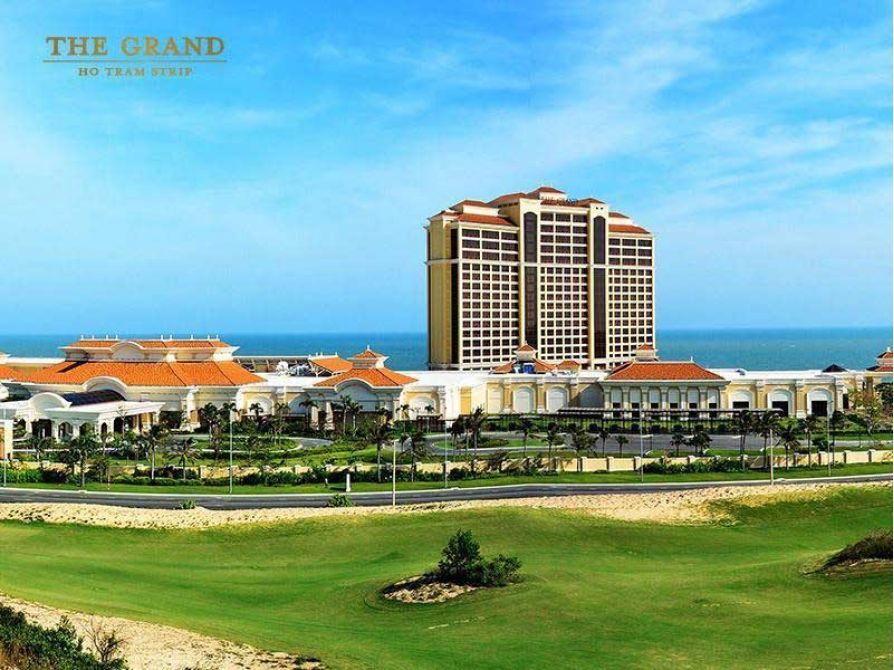
XỬ LÝ NƯỚC THẢI _ THE GRAND HỒ TRÀM _ 3800m3/ngày
| Chủ Đầu Tư | : The Grand Ho Tram Strip |
| Địa điểm dự án | : Bà Rịa Vũng Tàu |
| Công suất | : Q = 3800 m3/ngàyđêm. |
| Công nghệ áp dụng | : Công nghệ Màng MBR KOCH |
| Nguồn gốc nước thải | : Nước thải sinh hoạt. |
| Năm thực hiện | : 2012 |


XỬ LÝ NƯỚC THẢI _ KHÁCH SẠN PARK HYATT SÀI GÒN 500m3/ngày
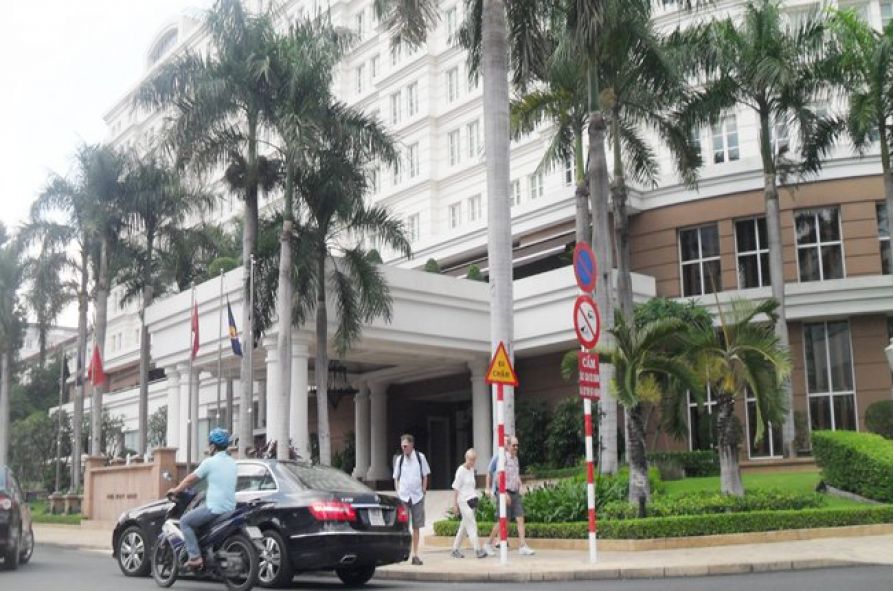
XỬ LÝ NƯỚC THẢI _ KHÁCH SẠN PARK HYATT SÀI GÒN
CÔNG SUẤT: 500m3/ngày
| Chủ Đầu Tư | : Khách sạn Park Hyatt Sài Gòn |
| Địa điểm dự án | : Tp. HCM |
| Công suất | : Q = 500 m3/ngàyđêm. |
| Công nghệ áp dụng | : Công nghệ Màng MBR KOCH |
| Nguồn gốc nước thải | : Nước thải sinh hoạt. |
| Năm thực hiện | : 2014 |

XỬ LÝ NƯỚC THẢI _ LAGUNA LĂNG CÔ _ 2400m3/ngày
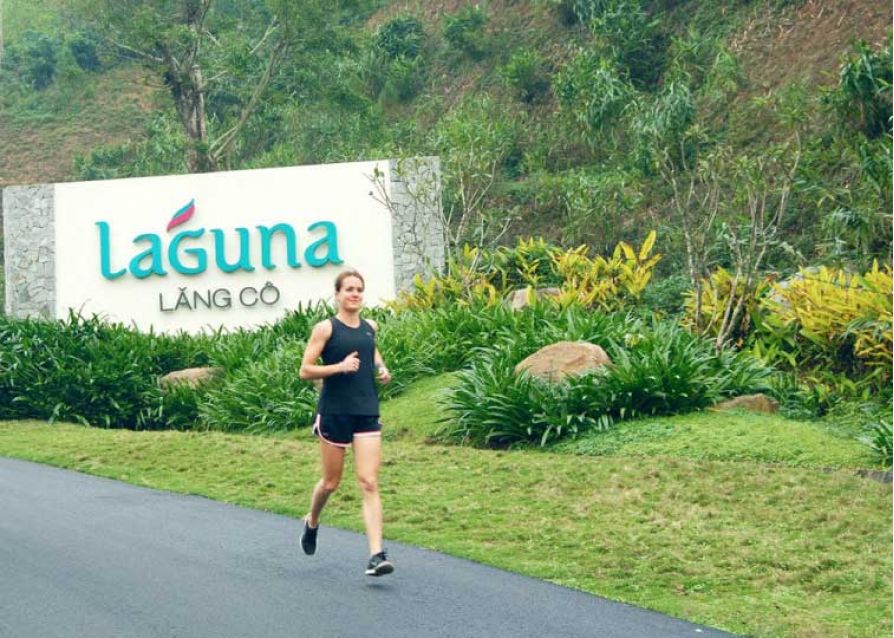
XỬ LÝ NƯỚC THẢI _ LAGUNA LĂNG CÔ _ 2400m3/ngày

| Chủ Đầu Tư | : Laguna Lăng Cô |
| Địa điểm dự án | : Thừa Thiên Huế |
| Công suất | : Q = 2400 m3/ngàyđêm. |
| Công nghệ áp dụng | : Công nghệ Màng MBR KOCH |
| Nguồn gốc nước thải | : Nước thải sinh hoạt. |
| Năm thực hiện | : 2012 |

Bình luận
Thông tin liên hệ
Văn phòng giao dịch:
Địa chỉ: Số 46 Đường số 52, KDC Bình Phú, P.10, Q. 6, Tp.HCM
Điện thoại: 028. 350 11 997
Hotline: 0972.799.995
Email: info@hanhtrinhxanh.com.vn
Sản phẩm nổi bật
Dự án tiêu biểu


Liên hệ
.png?1471087248941) Trụ sở chính:
Trụ sở chính:
Địa chỉ: Số 46 Đường số 52, KDC Bình Phú, Phường 10, Quận 6, Tp. Hồ Chí Minh
 028. 350 11 997 - Fax: 028. 3755 9399 - Hotline: 0972.799.995
 hanhtrinhxanhco@gmail.com - info@hanhtrinhxanh.com.vn